



What is a varicocele?
A varicocele is an enlarged vein in the scrotum next to the testicle. Varicocele is similar to varicose veins in the leg. Varicocele is a very common condition that affects 15% of men.
Veins have valves which help blood circulate through the body and back to the heart. When the valves in the vein are weak or don’t work properly, blood pools in the vein and causes the vein to enlarge.
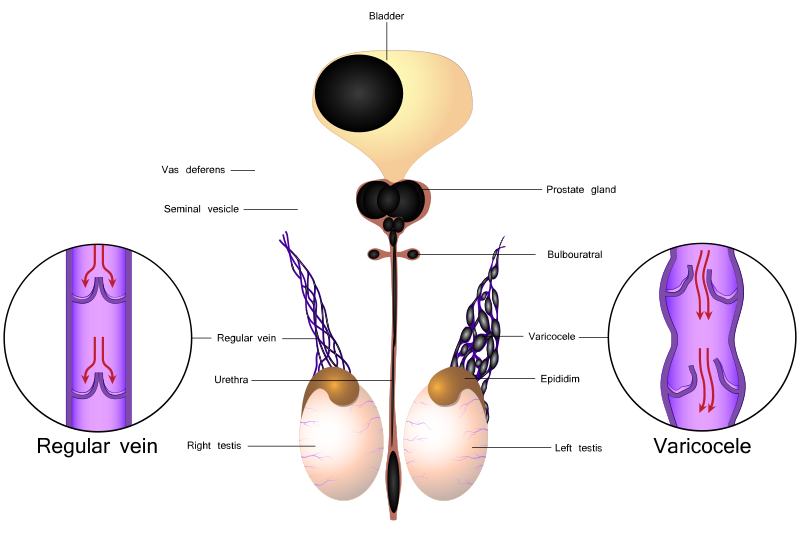
What are the symptoms of varicocele?
Varicoceles can cause discomfort in the scrotum often described as heaviness or dragging sensation. Pain may feel congestive or “like a toothache”. The pain is generally mild to moderate. Discomfort gets worse with long periods of sitting, standing or physical activity. The pain is typically relieved by lying down.
In boys, varicocele can slow normal testicle growth. With time, varicoceles may enlarge and become more noticeable. Varicocele can impair sperm production and cause infertility. Men trying to start a family or men who may want to start a family in the future, may benefit from varicocele treatment.
How is varicocele diagnosed?
Diagnosis a varicocele starts with a medical history and physical exam. Examination may be performed laying down and standing without and with bearing down. Scrotal ultrasound may be used to evaluate the testicles, the glands on top of the testicles (epididymis) and assess the presence and size of varicocele.
Blood work may be drawn to look at hormone levels and other factors that can affect sperm production. Semen analysis may be used to evaluate sperm count and quality.
What are treatment options for varicocele?
- Surgery
- Inguinal (groin) without or with microscope
- Laparoscopic
- Embolization
Varicocele embolization procedure
Varicocele embolization is a minimally invasive outpatient procedure performed under local anesthesia and light sedation. A small catheter is carefully inserted through the groin and guided to the affected testicular vein using X-ray imaging.
Tiny coils or particles are then used to block the damaged vein, redirecting blood flow to healthy veins. This reduces pressure, relieves pain, and helps restore normal function.
Recovery
Varicocele embolization usually lasts about 30 to 45 minutes. Recovery typically lasts 2 hours. Moderate activity is usually resumed in 24 to 48 hours.
Advantages of varicocele embolization
- Office based and minimally invasive
- Quick recovery times
- Low risk of complication
- No general anesthesia needed
- Multi-disciplinary approach
- Ease of scheduling
See a full directory of general and specialized urology services provided by Central Ohio Urology Group.
See our education videos on a range of condition and treatment topics.
These conditions can now be treated in our new, office-based, outpatient Interventional Radiology suite located in Worthington.
Worthington
350 W. Wilson Bridge Road Worthington, OH 43085